Dental Implants Calabasas CA: Everything You Need to Know
Losing a tooth changes more than a smile. It affects how you chew, how clearly you speak, and in many cases how comfortable you feel in social settings. I have seen patients put off treatment for years because they assumed implants were only for severe cases, or because they had heard one alarming story from a friend and took it as the rule. Most of the time, the reality is more straightforward. Dental implants are one of the most predictable ways to replace missing teeth when they are planned carefully and placed by the right team.
If you are researching Dental Implants Calabasas CA, you are probably trying to sort out three things at once. First, are implants the right treatment for your mouth and your health? Second, what should you expect in terms of timeline, healing, and cost? Third, how do you choose a provider without getting lost in sales language? Those are the practical questions that matter, and they deserve practical answers.
What a dental implant actually is
A dental implant is a small post, usually made of titanium or a titanium alloy, that is placed into the jawbone where a tooth root used to be. Over time, the bone heals around the implant in a process called osseointegration. Once that bond is stable, the implant can support a crown, a bridge, or even a full arch of teeth in certain cases.
That description sounds technical, but the everyday goal is simple. An implant replaces the root and the visible tooth, not just the crown above the gums. That distinction is why implants often feel more secure than removable options and why they help preserve jawbone better than leaving a space empty.
A common misunderstanding is that an implant is the whole finished tooth. It is not. Most implant restorations have three parts: the implant in the bone, the abutment that connects the implant to the final tooth, and the visible restoration such as a crown. When patients understand those parts from the beginning, the process makes much more sense and the treatment plan feels less mysterious.
Why people in Calabasas often consider implants
In a community like Calabasas, people tend to be active, busy, and reluctant to accept a temporary fix that shifts around or has to come out at night. Appearance matters, of course, but function usually becomes the deciding factor. When a back tooth is missing, chewing becomes uneven. When a front tooth is missing, confidence tends to take a hit quickly. Over time, neighboring teeth can drift, the opposing tooth may over-erupt, and bone in the area begins to shrink.
I have also found that many adults in their forties, fifties, and sixties come in after trying to “manage around” the problem. They chew on one side, avoid crusty bread, skip steak, smile carefully in photos. Those workarounds become habits. An implant can often restore normal function so gradually that patients forget how much they had been compensating.
For people comparing options in the Dental Implants Calabasas CA market, lifestyle fit is often as important as clinical suitability. Someone who travels frequently may want fewer appointments. Someone on camera for work may prioritize esthetics and soft tissue contours. Someone who has worn a lower denture for years may care most about stability during meals. Good implant treatment is never one size fits all.
When implants make sense, and when they do not
Implants are an excellent option for many patients, but not every case should be rushed into surgery. Good dentistry involves judgment, not just enthusiasm for a procedure.
Several factors matter most:
- enough healthy jawbone to support the implant, or a realistic plan to rebuild bone if needed
- healthy gums, or at least gum disease that can be brought under control before implant placement
- overall health conditions that allow normal healing, including well-managed diabetes and stable immune status
- habits such as smoking or teeth grinding, which do not always rule out implants but do change the risk profile
- commitment to follow-up care, because implants need maintenance just like natural teeth
A patient can be an excellent candidate at age seventy and a poor candidate at age thirty-five if gum disease is uncontrolled and home care is weak. Age by itself is rarely the issue people think it is. Bone quality, bite forces, oral hygiene, and health history matter more.
One scenario worth addressing honestly is heavy bruxism, or grinding and clenching. Implants do not have the same shock absorption as natural teeth because they lack a periodontal ligament. That does not mean grinders cannot have successful implant treatment, but it does mean the design of the crown, the bite adjustment, and the use of a night guard become much more important. I have seen beautiful implant work fail early because the mechanics were ignored.
Single tooth, multiple teeth, or full arch
The term “dental implants” covers several very different treatments. Replacing one missing tooth with one implant and one crown is the most straightforward version. It can be ideal when the neighboring teeth are healthy, because it avoids cutting down those teeth to support a bridge.
When several teeth are missing, two or more implants may support a bridge. That approach can reduce the number of individual implant posts needed while still creating a fixed solution. For patients missing all teeth in the upper or lower arch, implants can support either a removable overdenture or a fixed full-arch prosthesis. Those are bigger decisions with bigger cost and maintenance implications.
The removable versus fixed distinction deserves special attention. Some patients initially Dental Implants Calabasas CA oaksdentistry.com reject the idea of a removable prosthesis on principle, then later realize that for their anatomy, dexterity, budget, or hygiene habits, an implant-retained overdenture is the wiser long-term choice. Others know immediately that they want a fixed option because they do not want anything to snap in and out. Neither choice is universally better. The better option is the one that fits the bone available, the bite, the maintenance ability, and the patient’s expectations.
What the process usually looks like
Implant treatment often takes longer than people expect, not because something is wrong, but because biology takes time. The exact sequence varies, especially if extractions, grafting, or cosmetic details are involved. Still, there is a general rhythm most patients can expect.
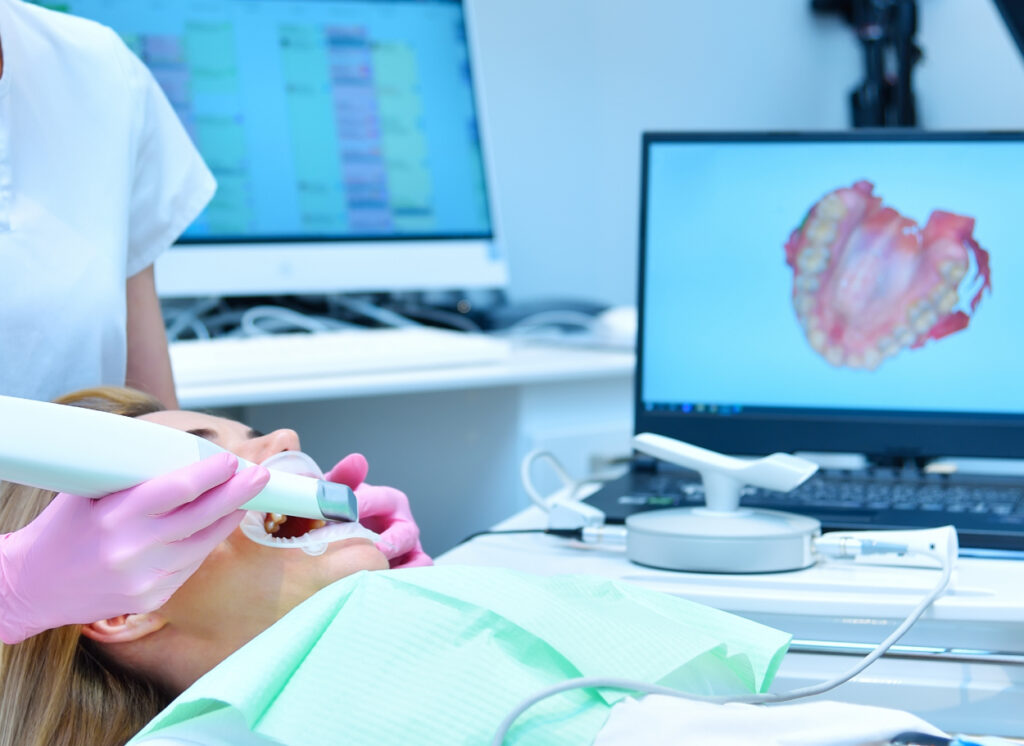
First comes diagnosis and planning. That includes a clinical exam, dental images, and often a three-dimensional scan such as a cone beam CT when implant planning requires more detail. This stage is where a careful provider evaluates bone shape, nerve position in the lower jaw, sinus space in the upper jaw, bite forces, gum levels, and the final restorative plan. Starting with the end in mind matters. An implant placed perfectly in bone but poorly positioned for the final crown can create years of compromise.
Next comes surgery. In simple cases, the implant is placed into the healed site under local anesthesia, sometimes with oral sedation or IV sedation if appropriate. Many patients are surprised by how manageable the actual procedure is. It is usually less dramatic than they imagined. The soreness tends to peak in the first couple of days and then settle.
After placement, the implant needs time to integrate with bone. Healing may take a few months, sometimes longer depending on the site and whether grafting was done. In some carefully selected situations, an implant may receive a temporary tooth much sooner, even the same day. Immediate treatment can be excellent in the right hands and the right anatomy, but it is not a prize to chase at all costs. Primary stability, bite control, and case selection determine whether faster is actually better.
The final phase is restoration. Once healing is confirmed, impressions or digital scans are taken for the final crown, bridge, or denture. The restoration is then adjusted for bite, shape, and esthetics. This step should not feel rushed. Tiny bite discrepancies can matter a great deal on implants.
Bone grafting, sinus lifts, and why those words worry people
Many patients hear “bone graft” and assume the case has become unusually serious. Often it has not. Bone grafting is common because bone shrinks after tooth loss. Sometimes the graft is placed at the same time as an extraction to preserve the socket. Sometimes it is done before implant placement to widen or heighten the site. In the upper back jaw, a sinus lift may be considered when the sinus floor has dropped and there is not enough vertical bone for a stable implant.
These procedures sound intimidating, but their purpose is practical. The implant needs a healthy foundation. If a contractor told you the footings under a structure were weak, you would not ask him to skip that step to save time. Dentistry works the same way.
That said, not every thin site needs aggressive reconstruction. Experienced clinicians weigh the benefit of grafting against the complexity it adds. There are cases where a shorter or narrower implant, or a different restorative design, may avoid a major graft. There are also cases where grafting is clearly the more durable choice. Good planning means resisting extremes.
What recovery is really like
Most implant patients do not describe recovery as severe. They describe it as inconvenient for a few days. Mild swelling, tenderness, and a modified diet are common. Sharp pain that worsens steadily is not typical and should prompt a call to the office.
People usually do best when they keep expectations realistic. If the site is straightforward and only one implant is placed, many are back to normal routines quickly. If multiple implants, extractions, or grafting are involved, recovery can feel more substantial. Bruising can happen. Temporary speech changes can happen, especially with larger provisional restorations. Eating may be awkward for a bit. None of that means something is wrong.
One practical point patients appreciate hearing ahead of time is that healing and “feeling normal” are not the same milestone. A site can stop feeling sore well before it is biologically ready to bear chewing forces. That gap is where a lot of avoidable problems start. A crunchy snack at the wrong time can matter more than people expect.
Cost in Calabasas, and why estimates vary so much
The question everyone asks, often in the first five minutes, is cost. That is fair. Implant treatment is an investment, and the price range in and around Calabasas can be wide. Costs vary based on how many teeth are being replaced, whether imaging and surgical guides are used, whether extractions or grafting are needed, the material used for the final restoration, the complexity of the bite, the training of the providers, and whether multiple specialists are involved.
That is why comparing a single advertised number is risky. One office may quote only the surgical placement of the implant. Another may quote the implant, abutment, and crown together. Another may include the extraction and graft. Patients think they are comparing identical treatment when they are not.
The better approach is to ask for a written breakdown and clarify what is included. If a fee sounds dramatically lower than competing estimates, there is usually a reason. Sometimes the office is highly efficient and fairly priced. Sometimes the quote leaves out key components. Sometimes lower-cost parts or labs are being used. Price alone does not tell the story.
Insurance coverage for implants remains uneven. Some plans cover portions of the treatment, often the crown or extraction more readily than the implant itself. Medical insurance may become relevant only in unusual cases tied to trauma or pathology. Financing is common, but it should be used thoughtfully. A well-done implant can serve for many years, yet it still needs maintenance and occasional future replacement of the crown or attachment parts.
Choosing the right implant provider
When people look up Dental Implants Calabasas CA, they often focus first on convenience, office aesthetics, or before-and-after photos. Those things are not meaningless, but they should not drive the decision.
More telling signs tend to come from the consultation. Does the provider explain the condition of your bone and gums clearly? Do they discuss alternatives honestly, including doing nothing for a period if needed? Do they talk about risk, not just success? Do they show where the implant will go in relation to the final tooth? Do they mention maintenance after treatment? A good consult feels educational, not theatrical.
It is also reasonable to ask who handles each phase. In some practices, one dentist does surgery and restoration. In others, an oral surgeon or periodontist places the implant and a restorative dentist makes the final tooth. That team model can work beautifully when communication is strong. There is no single correct structure. What matters is experience, planning, and accountability.
Here are a few smart questions worth asking during a consultation:
- What exactly is included in the treatment estimate?
- Do I need bone grafting, and if so, why?
- What are the main risks in my specific case?
- What will I wear or use while the implant is healing?
- How will this be maintained over the long term?
Those questions tend to cut through vague marketing language quickly.
The esthetic side that patients rarely hear enough about
Many people assume an implant crown will automatically look like a natural tooth. Sometimes it does, beautifully. Sometimes the esthetic result is limited by the gum line, the shape of the missing tooth site, or how much bone was lost before treatment began. Front tooth implants are especially demanding. A technically integrated implant can still be a cosmetic disappointment if the tissue contour is off or the neighboring teeth create a mismatch.
This is where timing matters. If a front tooth has to be removed, preserving the site immediately can improve the final appearance. Temporary restorations also play a role by shaping the soft tissue before the final crown is made. A provider who discusses emergence profile, papilla, smile line, and tissue symmetry is usually thinking beyond basic function.
That level of planning often matters less in the far back of the mouth, where chewing strength may take priority over fine esthetic details. Again, context matters. A good implant plan solves the right problem, not just the most visible one.
Maintenance is where long-term success is earned
One of the more persistent myths is that implants are maintenance-free because they are “not real teeth.” In practice, implants demand respect. They can accumulate plaque. The surrounding gum tissue can become inflamed. Bone around implants can be lost if home care and professional monitoring are neglected.
The cleaning technique may differ slightly depending on the restoration design. Some patients need floss threaders, interdental brushes, water flossers, or special tools under bridges. Night guards may be prescribed for bite protection. Regular hygiene visits remain essential, though the instruments and cleaning methods may be adapted for implants.
I often tell patients that the surgery creates the opportunity, but habits determine the lifespan. The people who do best long term are not always the ones with the fanciest treatment. They are the ones who keep recall appointments, wear the guard if one is prescribed, and call early if something feels loose or different.
Red flags and unrealistic promises
Implants have excellent success rates in well-selected cases, but any provider who presents them as effortless or fail-proof is oversimplifying. Watch for claims that skip over healing time, maintenance, or limitations. Watch for pressure to commit before a full workup has been completed. Watch for consultations that focus almost entirely on financing and barely touch anatomy, gum health, or bite.
The phrase “teeth in a day” deserves nuance. For some patients, same-day provisional teeth are absolutely appropriate and life-changing. For others, the slogan creates expectations that the biology cannot support. Immediate treatment can be a smart protocol, but it is not a universal standard of care.
It is also wise to be cautious if a provider dismisses your medical history, smoking status, or periodontal condition as irrelevant. Implants are prosthetic, but the mouth is living tissue. Healing quality is not a detail.
Is an implant always the best choice?
No. Sometimes a bridge is more practical. Sometimes a removable partial denture makes sense as an interim solution. Sometimes orthodontic movement changes the picture before replacement is attempted. Sometimes the first priority is simply stabilizing gum disease or extracting a non-restorable tooth and letting the area heal.
The strongest treatment recommendations usually come with some restraint. If a clinician can explain why an implant is right for one space but not another, or why waiting three months may improve the outcome, that is often a sign of mature judgment.
For many patients, though, implants are the closest thing we have to replacing a lost tooth in a way that feels anchored, functional, and natural in daily life. They preserve options, protect neighboring teeth, and often improve comfort in a way that is hard to appreciate until the work is done.
If you are weighing Dental Implants Calabasas CA, take the time to get a thorough evaluation and ask direct questions. A good implant plan should make sense on paper, in your mouth, and in your life. That combination matters far more than any advertisement ever will.
Oaks Dental
5000 Parkway Calabasas, Suite 308
Calabasas, CA 91302, United States
Phone: +1 (818) 412-8349
FAQ About Dental Implants Calabasas CA
How much does a dental implant cost in California?
Costs vary with the number of teeth replaced, restoration type, imaging, and any extractions or bone grafting. Request an itemized estimate after an examination; a single advertised price may not include every treatment stage.
Can people with autoimmune disease get dental implants?
Some people may qualify, but the condition, medications, oral health, and healing risks require individual assessment. Share your medical history with your dentist, who may coordinate with your treating physician.
Can you have dental implants if you have osteopenia?
Osteopenia does not by itself establish whether implants are suitable. Your dentist must evaluate jawbone support and review bone-related medications and other risks before recommending treatment.