Dental Implants Calabasas CA for a Natural-Looking Smile
A missing tooth changes more than a smile. It changes the way a person bites into an apple, laughs in a photo, speaks on a work call, and carries themselves in a room. I have seen patients adapt in small, almost invisible ways. They chew on one side without thinking. They smile with lips closed. They avoid certain foods at restaurants. Over time, those workarounds become habits, and those habits can affect comfort, confidence, and oral health.
That is why dental implants continue to stand out as one of the most dependable tooth replacement options in modern dentistry. When planned well and restored carefully, they do not just Dental Implants Calabasas CA fill a space. They recreate structure, support the bite, and blend with the surrounding teeth in a way that can look remarkably natural. For people researching Dental Implants Calabasas CA, the real question is often not whether implants are popular. It is whether they will look believable, feel stable, and fit a real life that includes meetings, family dinners, exercise, and aging well.
The answer often comes down to planning, anatomy, craftsmanship, and patience.
What makes a dental implant look natural
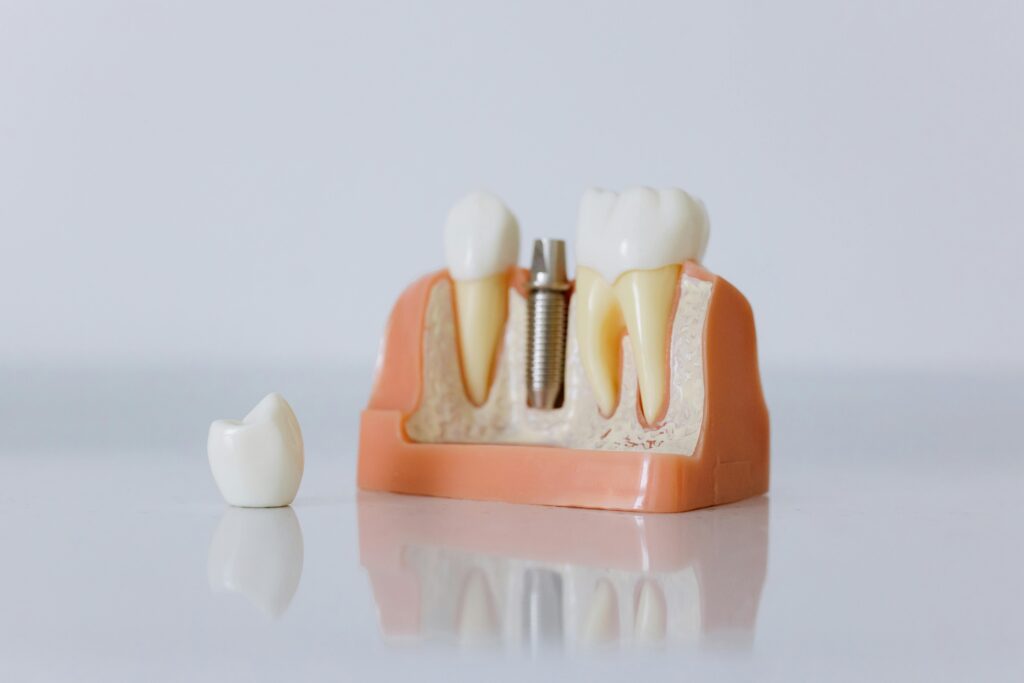
A natural-looking result starts long before the implant is placed. Most people understandably focus on the visible crown, the part that looks like a tooth. But the appearance of an implant restoration depends on the foundation underneath, including bone shape, gum contour, implant position, and the design of the final tooth.
A well-done implant should match the neighboring teeth in color, translucency, length, and shape. That sounds straightforward until you consider how much variation exists in a real smile. Natural teeth are not flat white tiles lined up in perfect symmetry. They reflect light differently near the edges. They have tiny character traits, subtle texture, and contour that help them look alive rather than manufactured.
The gumline matters just as much. If the implant crown is beautiful but the gum tissue around it sits too high, too low, or lacks symmetry with the opposite tooth, the eye catches it immediately. This is especially important for front teeth, where even a oaksdentistry.com Dental Implants Calabasas CA millimeter can change the look of the smile. In back teeth, function often takes center stage, but appearance still matters because wide smiles reveal more than many people expect.
That is one reason implant dentistry has a reputation for rewarding careful, experienced planning. It is not only a surgical procedure. It is also a restorative and aesthetic procedure.
Why implants often feel more like real teeth than other options
Patients usually describe a successful implant in practical terms. They say it feels solid. They do not have to think about it. They forget which tooth was replaced. That kind of feedback matters because comfort in daily life is the real measure of success.
Unlike a removable denture, an implant is anchored in the jawbone. Unlike a bridge, it does not rely on neighboring teeth for support. Because the implant stands on its own, it can preserve independence in the mouth. That stability often translates into more confident chewing and speaking.
There is also a long-term biological advantage. After tooth loss, the jawbone in that area tends to shrink over time because it no longer receives stimulation from a tooth root. Implants help address that problem by functioning like an artificial root. They do not stop every change that comes with aging, but they can help maintain bone in a way other tooth replacement methods cannot.
For someone considering Dental Implants Calabasas CA, this matters because the goal is rarely just to replace what was lost today. The goal is to protect the smile and bite years from now.
The consultation is where the outcome begins
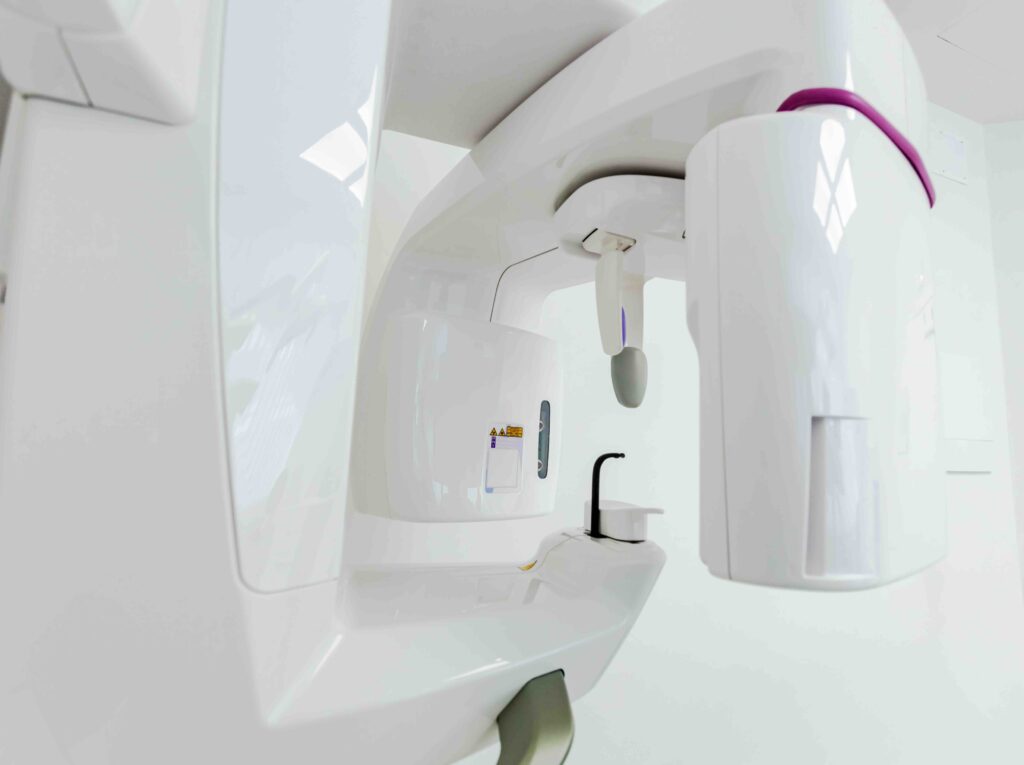
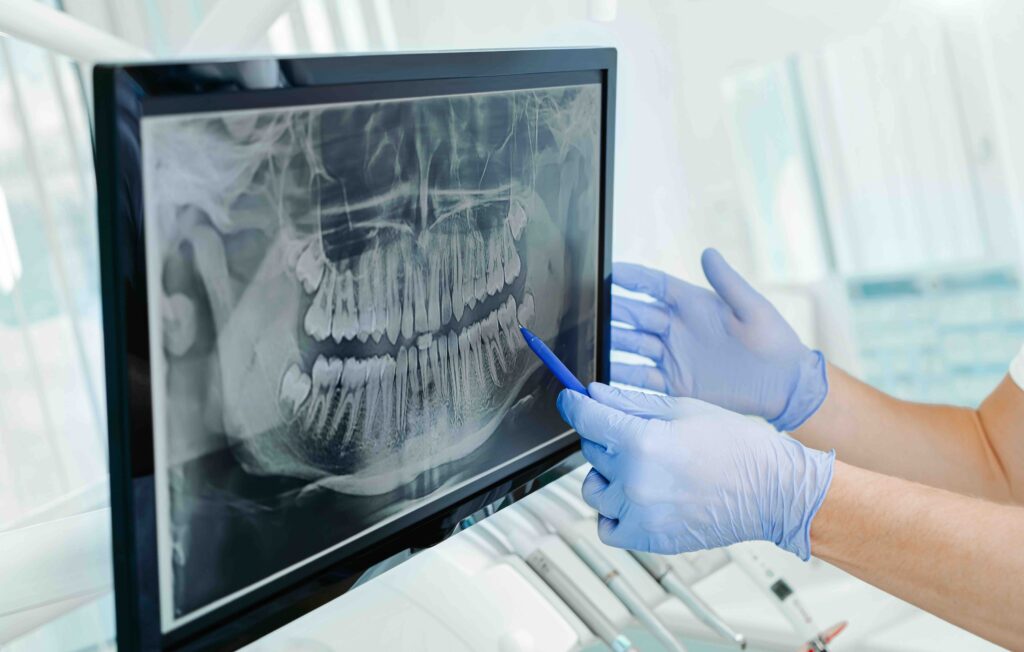
A quality implant consultation should feel thorough, not rushed. This is where imaging, gum health, bite analysis, and medical history all come into focus. In many practices, the process includes digital X-rays and often 3D imaging such as cone beam CT. That scan helps the dentist evaluate bone height, width, and the location of structures like nerves and sinuses.
This stage is also where expectations are clarified. Some patients can receive an implant after a single extraction site heals. Others need grafting first. Some want to restore one missing molar. Others are replacing several teeth or stabilizing a denture. The treatment path can vary significantly, and that is normal.
A patient who values a natural-looking smile should pay attention to how much time is spent discussing aesthetics, not just surgical steps. Shade selection, tooth shape, bite forces, tissue contours, and the visibility of the smile line all influence the final result. If those details are treated as an afterthought, the outcome can look serviceable without truly blending in.
Who tends to be a good candidate
Implants work for many adults, but not every situation is identical. Good candidacy is usually a combination of oral health, bone support, medical stability, and commitment to maintenance.
Here are a few signs that implants may be a strong option:
- You have one or more missing teeth and want a fixed, non-removable replacement.
- Your gums are generally healthy, or any gum disease is being treated.
- You have enough bone for support, or you are open to grafting if needed.
- You do not smoke heavily, or you are willing to reduce or stop during healing.
- You want a long-term solution and are prepared to care for it consistently.
Even within that group, there are nuances. A patient with controlled diabetes may be a good candidate, while someone with active periodontal disease may need stabilization first. A person who grinds heavily at night may still do well with implants but may need a custom night guard to protect the restoration. These are not deal-breakers. They are planning factors.
The role of bone and gums in the final esthetic result
Bone loss is one of the least understood parts of tooth replacement. Once a tooth is gone, the ridge can become narrower and flatter. That can make it harder to place an implant in the ideal position and harder to create a natural emergence profile, which is the way the restoration appears to rise out of the gum.
When people imagine a natural-looking implant, they picture the crown. Dentists often picture the gum architecture. That is because soft tissue frames the tooth. If the tissue is thin, uneven, or unsupported, even a well-made crown can look off.
Bone grafting is sometimes recommended not because the case is impossible without it, but because the aesthetic result will be better with it. The same is true for certain soft-tissue procedures in carefully selected cases. Patients occasionally worry that these recommendations mean something has gone wrong. Often, it means the clinician is trying to improve the foundation instead of settling for a compromise.
This is especially relevant in visible areas of the smile. In the front of the mouth, preserving or rebuilding the ridge may be the difference between a decent result and an excellent one.
Timing matters more than most people expect
People often ask how long implants take. The honest answer is that timing depends on the starting point.
If a tooth has already been missing for years, the site may need evaluation for bone loss before any implant is placed. If a tooth is being removed now, there may be several pathways. In some situations, an implant can be placed immediately after extraction. In others, the site heals first. Sometimes grafting is done at the time of extraction to preserve bone for a future implant.
Healing itself takes time because the implant must integrate with the bone. That biological process cannot be rushed without consequences. In straightforward cases, the timeline may be a matter of a few months. In complex cases involving grafting, sinus augmentation, or cosmetic refinement, it can extend longer.
This is where patience pays off. The shortest treatment plan is not always the best treatment plan. Patients tend to be happiest when they understand from the beginning that a natural-looking, stable result sometimes requires staged care.
Single tooth implants versus larger restorations
Replacing one missing tooth is different from rebuilding a broader section of the mouth. A single implant in the back may be primarily about function and preventing adjacent teeth from drifting. A single implant in the front combines function with high-level cosmetic demands. Restoring several missing teeth can involve multiple implants supporting crowns or bridges. Replacing an entire arch may call for implant-retained dentures or a full fixed prosthesis.
Each option has trade-offs. A single implant preserves nearby teeth because there is no need to prepare them for a bridge. Multiple implants provide support but may require more surgery and cost. Implant-supported dentures can improve retention dramatically for patients frustrated by loose conventional dentures, but they still require daily cleaning and periodic maintenance.
The right choice depends on anatomy, budget, priorities, and the condition of the remaining teeth. A person with several failing teeth may not benefit from treating only one area while ignoring the broader bite pattern. On the other hand, someone who lost one healthy tooth in an accident may be an ideal candidate for a very focused treatment plan.
Materials, shade, and why “white” is not always better
One of the most common aesthetic mistakes in dentistry is over-whitening. Natural teeth are not uniformly bright from edge to gumline. They have depth. A crown that is too opaque or too white can stand out, especially in daylight.
The material selected for the final restoration plays a role here. Dentists and labs may use different ceramics depending on the case, bite load, and esthetic goals. What matters most to the patient is whether the restoration harmonizes with the surrounding dentition. That means color matching, but also translucency, anatomy, and surface finish.
A front tooth implant deserves particularly close attention. Matching a central incisor, for example, is one of the more demanding restorative challenges in dentistry because the opposite tooth acts as a constant reference point. Tiny differences show. In those cases, communication between the dentist, surgeon, and lab can make a visible difference.
This is one reason a practice that emphasizes comprehensive implant planning often produces more natural-looking results than one focused only on the surgical portion.
Practical questions worth asking at a consultation
Patients do better when they ask specific questions. Vague reassurance is not enough for a treatment that affects comfort, appearance, and cost.
Consider asking:
- Am I a candidate for immediate placement, or would healing first improve the result?
- Will I need bone grafting or soft-tissue grafting to support function or appearance?
- How will you plan the position of the implant to protect the look of the gums?
- What type of final restoration do you recommend for my bite and smile?
- What maintenance will this implant require over the next several years?
The answers reveal a lot. A strong consultation usually includes both confidence and restraint. Confidence shows in clear explanations. Restraint shows in acknowledging limits, alternatives, and the fact that every mouth presents different variables.
Cost, value, and the temptation to shop by price alone
Implants are an investment, and it is reasonable to talk frankly about cost. Fees can vary based on the number of implants, whether grafting is needed, the complexity of surgery, the type of restoration, and the technology involved in planning and fabrication.
What patients sometimes miss is that “implant cost” is not always one number. It may include the surgical implant, the abutment, the crown, imaging, sedation, temporary restorations, and follow-up care. A lower quote may simply exclude parts of the process.
Value comes from durability, fit, aesthetics, and reduced risk of redoing work. A natural-looking smile is not usually the product of shortcuts. If a case involves the front teeth, thin tissue, bone loss, or bite complications, careful treatment planning is worth paying for. The least expensive route can become the most expensive if the result fails functionally or looks artificial and requires revision.
That does not mean the highest fee is automatically justified. It means patients should compare scope, not just price.
Healing, discomfort, and what the first weeks are really like
Most implant patients are relieved to find that recovery is manageable. There can be soreness, swelling, and tenderness for several days, especially if grafting or extractions are involved. Many people return to desk work quickly, though they may take a bit longer before resuming intense exercise or eating tougher foods comfortably.
The experience depends on the complexity of the procedure and individual healing patterns. A single straightforward implant often feels easier than patients expect. A full-arch case or one involving significant grafting demands more downtime.
The bigger issue is not usually pain. It is compliance. Healing improves when patients follow instructions closely, keep the area clean, avoid unnecessary pressure, and show up for follow-up visits. Early healing is not the time to test the implant with crunchy snacks because it “feels fine.” Biological integration is happening below the surface long before the site looks normal in the mirror.
Maintenance is simple, but it is not optional
One of the more persistent myths is that implants do not require much care because they cannot get cavities. It is true that ceramic and titanium do not decay like natural tooth structure. It is not true that they are maintenance-free.
The gums and bone around implants can become inflamed if plaque is allowed to accumulate. Peri-implant problems are real, and prevention matters. Daily hygiene, regular professional cleanings, and periodic evaluation of the bite and surrounding tissues are essential.
For patients who have had implants for years, I often notice a pattern. The restorations that last best are usually in mouths where the patient respects routine care. They brush well, clean between teeth properly, keep recare visits, and report changes early. Success is rarely dramatic. It is usually the product of consistency.
Why local context matters in Calabasas
Patients seeking Dental Implants Calabasas CA are often balancing more than one concern. Appearance matters, especially in a community where professional presentation, social confidence, and personal wellness often overlap. But practicality matters too. People want treatment that fits a busy schedule, feels predictable, and does not create long-term compromises.
That local context tends to push the conversation beyond “Can I get an implant?” toward more refined questions. Will the result blend seamlessly in a high-smile line? Can treatment be coordinated efficiently if I travel or work long hours? Is the office experienced with both aesthetic and functional cases? Will the restoration hold up if I clench during workouts or grind at night?
These are smart questions. They reflect a mature understanding that dentistry is part health care and part craftsmanship. In implant cases, both sides matter.
Choosing a provider for a natural-looking result
Credentials matter, but so does communication. The best implant experiences usually involve a team that explains clearly, plans carefully, and respects the difference between replacing a tooth and recreating a natural smile.
Look for evidence of thoughtful diagnosis. That may include advanced imaging, discussion of bone and tissue quality, attention to bite forces, and realistic conversation about timeline. Pay attention to whether aesthetic details are addressed early or brushed aside. If the missing tooth is visible when you smile, those details should never be treated as minor.
It also helps to ask how the surgical and restorative parts are coordinated. Even when one office handles both, the disciplines are distinct. Implant position affects the crown. Crown design affects cleanability and force distribution. Gum contour affects appearance. Cases go more smoothly when those pieces are planned together rather than in isolation.
Finally, trust the tone of the consultation. If you feel pushed toward a one-size-fits-all answer, keep looking. Good implant dentistry is precise by nature. It should feel tailored.
A smile that looks like it belongs to you
The best implant work is often invisible in the best possible way. People do not notice the dentistry. They notice that the smile looks healthy, balanced, and relaxed. The tooth does not draw attention to itself. It simply belongs.
That is the real appeal of Dental Implants Calabasas CA for many patients. They are not chasing perfection in an abstract sense. They want to eat comfortably, speak naturally, and smile without editing themselves. They want a replacement tooth that does not feel like a workaround.
When the planning is sound, the tissues are respected, and the restoration is crafted with care, implants can deliver exactly that. Not just a replacement, but a return to normal life with a smile that looks authentic from every angle that matters.
Oaks Dental
5000 Parkway Calabasas, Suite 308
Calabasas, CA 91302, United States
Phone: +1 (818) 412-8349
FAQ About Dental Implants Calabasas CA
How much does a dental implant cost in California?
Costs vary with the number of teeth replaced, restoration type, imaging, and any extractions or bone grafting. Request an itemized estimate after an examination; a single advertised price may not include every treatment stage.
Can people with autoimmune disease get dental implants?
Some people may qualify, but the condition, medications, oral health, and healing risks require individual assessment. Share your medical history with your dentist, who may coordinate with your treating physician.
Can you have dental implants if you have osteopenia?
Osteopenia does not by itself establish whether implants are suitable. Your dentist must evaluate jawbone support and review bone-related medications and other risks before recommending treatment.