Dental Implants for Seniors: What to Know
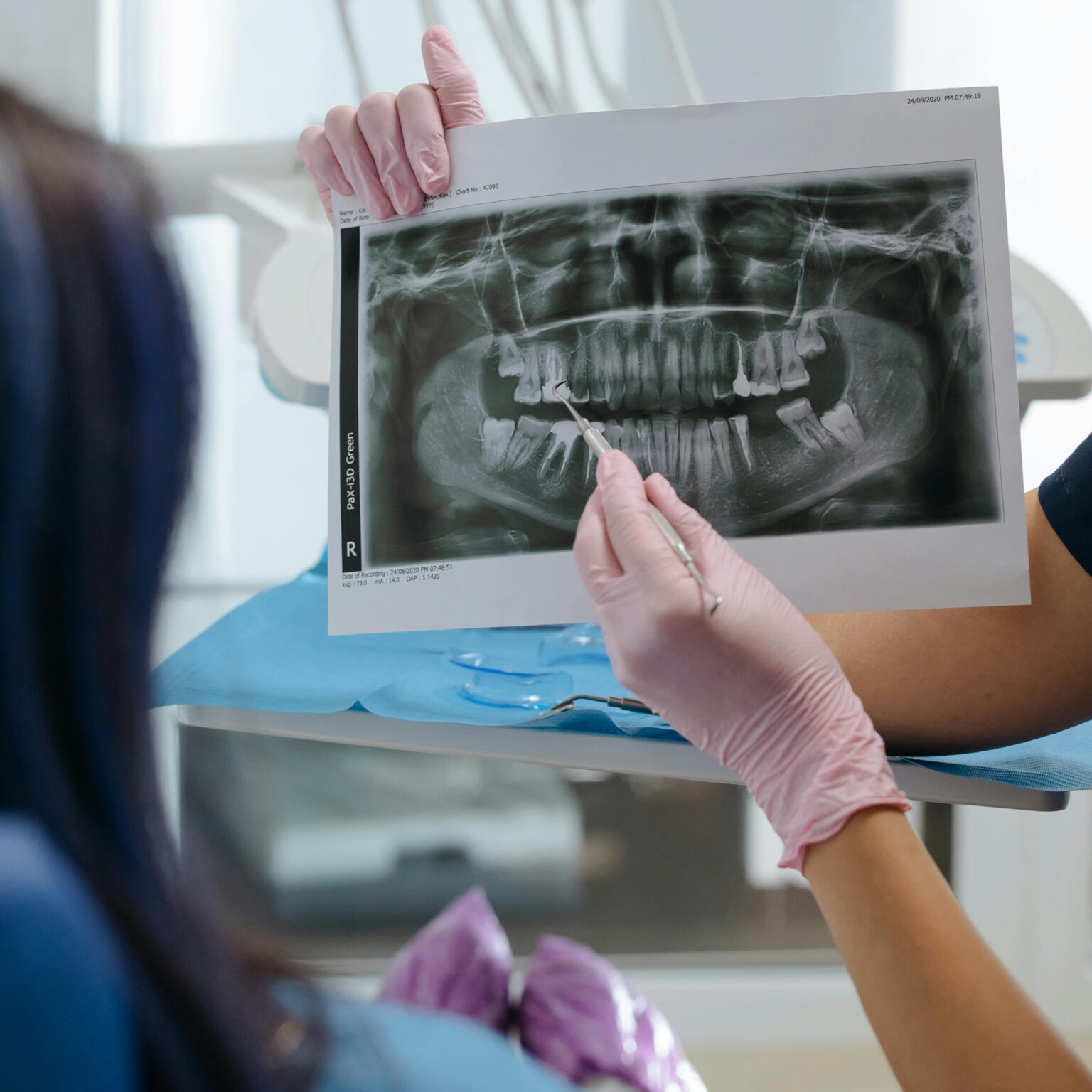
Tooth loss tends to carry more weight later in life than many people expect. It is not only about appearance. A missing molar can change the way someone chews, which can quietly narrow their diet over time. A loose denture can make a person avoid restaurants, family gatherings, or even ordinary conversation. For many older adults, the decision to replace teeth is tied to comfort, nutrition, confidence, and independence as much as cosmetics.
Dental implants often come up as the most stable replacement option, but seniors are also the group most likely to ask careful, practical questions. Am I too old for this? Will it heal well? What if I have osteoporosis, diabetes, or take blood thinners? Is it worth the cost at this stage of life? Those are sensible questions, and the answers are rarely one-size-fits-all.
The short version is reassuring. Age by itself does not disqualify someone from getting dental implants. I have seen healthy patients in their seventies and eighties do very well with them, sometimes better than younger adults who smoke heavily, grind their teeth, or ignore home care. What matters more is overall health, bone quality, gum condition, medication history, and the patient’s goals. A person who wants to bite into an apple again has different priorities from someone who mainly wants a lower denture to stop floating around at dinner.
Why implants can make such a difference later in life
Traditional dentures still help many people, and in some situations they remain the right tool. But dentures sit on top of the gums and rely on the shape of the jaw for retention. Over the years, the jawbone naturally shrinks where teeth are missing. That bone loss can be especially frustrating for long-time denture wearers because a denture that fit well ten years ago may become loose, sore, and unstable.
Dental implants work differently. They are placed in the jawbone and serve as artificial tooth roots. Once healed, they can support a crown, a bridge, or even help anchor a denture. That support changes day-to-day life in ways patients notice quickly. Food choices open up. Speech often feels more natural. There is less slipping, less adhesive, and less of that constant awareness that a prosthesis might move at the wrong moment.
For seniors who have struggled with lower dentures, even two implants can be transformative. The lower arch is usually the troublemaker because the tongue and the shape of the bone make retention harder. A well-made implant-retained overdenture can snap into place and stay there. I have seen people who spent years cutting everything into tiny pieces return to sandwiches, salads, and firmer foods with visible relief.
Age is not the real issue
Chronological age is one of the least useful ways to judge whether implants make sense. Biological age matters more. An active 78-year-old who walks daily, keeps medical conditions under control, and maintains good oral hygiene may be a much better implant candidate than a 52-year-old with uncontrolled diabetes and advanced gum disease.
Dentists and oral surgeons usually look at several overlapping factors. Bone volume and density are part of the picture, but so are circulation, healing ability, dexterity for cleaning, and whether the patient can tolerate the procedure itself. Most implant placements are done with local anesthetic, sometimes with light sedation, so the process is often easier than people imagine. The bigger question is not, “Can this person survive the appointment?” It is, “Will this treatment remain healthy and maintainable for years afterward?”
That last point matters. The best implant plan is not always the most extensive one. In older adults, a simpler plan can be the wiser plan if it delivers function and can be cleaned reliably. A full-arch fixed bridge may sound ideal in theory, but if arthritis makes detailed brushing and flossing difficult, a removable implant-supported solution may be more practical and safer long term.
The health conditions that deserve a closer look
Most seniors considering dental implants have some medical history, and that is normal. What matters is whether those conditions are stable and how they affect healing.
Diabetes is one of the most common concerns. Well-controlled diabetes does not rule out implants, but poorly controlled blood sugar can raise the risk of infection and delayed healing. Dentists usually want to know how stable a patient’s numbers are and whether there is a pattern of complications elsewhere in the body.
Osteoporosis raises a different set of questions. The condition itself does not automatically prevent implant treatment. The more important detail is often the medication used to treat it, particularly certain antiresorptive drugs. These medications can affect the way bone remodels and, in some cases, increase the risk of jaw complications after oral surgery. That does not mean implants are impossible, but it does mean the dental team needs a complete medication history and, at times, communication with the patient’s physician.
Blood thinners make many patients nervous, but implant placement can often be done safely with careful planning. The answer depends on the reason the medication was prescribed, the specific drug, and the physician’s guidance. Stopping a blood thinner without coordination is never a casual decision.
A history of radiation to the jaws, active cancer treatment, severe dry mouth, autoimmune disease, advanced gum disease, and smoking all deserve serious discussion. None of these factors automatically ends the conversation, but each changes risk. Good implant treatment is not about optimism alone. It is about matching the plan to the biology.
Bone loss, dentures, and the question of timing
One of the harder realities in senior dental care is that tooth loss that happened years ago can complicate replacement now. Bone gradually shrinks after teeth are removed. The longer an area has been edentulous, the more likely it is that the ridge has become thin or low.
This is why some older adults hear that they may need bone grafting before implants can be placed. That news can feel discouraging, but it is common and often manageable. Grafting ranges from minor augmentation done at the same time as implant placement to more involved procedures done months in advance. Not everyone needs it, and not every missing tooth area requires the same approach.
Sometimes the treatment goal can be adjusted to avoid extensive grafting. For example, rather than replacing every missing tooth with its own implant, a clinician may recommend placing a smaller number of strategically positioned implants to support a bridge or stabilize a denture. For a patient in their eighties who mainly wants better chewing and less denture movement, that may be a very sensible compromise.
Timing also matters. If a senior has a painful, failing tooth and knows they eventually want an implant, delaying the conversation can reduce options. Once a tooth is lost, bone begins to change. In some cases an immediate or early implant approach may help preserve tissue, though that depends on infection, bone quality, bite forces, and overall health.
What the treatment process usually looks like
A first consultation for dental implants is usually more investigative than procedural. The dentist examines the gums, checks the bite, reviews medications, and evaluates how the patient currently functions. A three-dimensional scan, often a cone beam CT, is commonly used to assess available bone and to map nearby structures such as the sinus or nerve canal. For seniors, this planning stage is especially important because the simplest successful plan is often better than the most ambitious one.
The procedure itself is usually done in the office with local anesthetic. Many patients are surprised by how straightforward it feels. If the site is uncomplicated, placing an implant can be less dramatic than removing a tooth. Afterwards, there is some soreness, swelling, and a healing period while the implant integrates with the bone. Depending on the case, a temporary tooth or denture may be used during this phase.
Healing time varies. For some people, restoration moves ahead in a few months. For others, especially when grafting is involved or bone quality is softer, it may take longer. Seniors sometimes do better when expectations are set clearly at the start: this is usually a staged process, not an instant transformation.
A practical way to think about it is this:
- Evaluation comes first, with scans, health review, and a discussion of goals.
- Surgery places the implant, sometimes with grafting if needed.
- Healing allows the implant to fuse with bone over weeks or months.
- Restoration adds the visible tooth or secures the denture attachment.
- Maintenance keeps the implant healthy through regular home care and checkups.
Every one of those phases matters. The work is not finished when the implant goes in. Long-term success depends just as much on the restoration design and the patient’s ability to keep it clean.
Single implants, implant bridges, and denture stabilization
The word implants often makes people picture a single missing tooth being replaced with a single implant and crown. That is one option, and it can be excellent when the neighboring teeth are healthy and should not be cut down for a bridge.
For seniors, though, the more common conversations involve several missing teeth or full dentures. A few implants can support a bridge, reducing the amount of removable hardware in the mouth. In other cases, two to four implants can anchor a denture and make it dramatically more secure. This type of treatment often gives the best return on investment for someone whose chief complaint is looseness rather than appearance.
There is also a difference between a removable implant-supported overdenture and a fixed full-arch bridge. Patients sometimes arrive asking for “teeth in a day” because that phrase is heavily marketed. Sometimes they are good candidates. Sometimes they are not. Fixed full-arch treatment can be life-changing, but it demands enough bone, careful hygiene, regular maintenance, and a willingness to manage repairs if acrylic teeth wear or fracture over time. A removable overdenture, by contrast, can be easier to clean and maintain, especially for someone with limited dexterity.
The right answer depends on goals, anatomy, and maintenance ability, not just preference.
The financial side, without sugarcoating it
Implants are usually more expensive upfront than dentures or traditional bridges, and cost is a real barrier for many retirees. It helps to separate the sticker price from the long-term picture. A lower denture that needs frequent relines, adhesives, and periodic remakes may still be the better choice for one person, while another may spend enough over the years on adjustments, sore spots, and replacement appliances that implant stabilization becomes more attractive.
Fees vary widely by region and by complexity. A straightforward single implant restored with a crown costs far less than a case involving extractions, grafting, multiple implants, and a full-arch prosthesis. Seniors should be cautious about comparing prices without comparing what is actually included. Diagnostics, sedation, grafting, temporary appliances, final restorations, and follow-up visits may or may not be part of a quoted fee.
Insurance coverage remains inconsistent. Some dental plans exclude implants entirely, while others cover portions of the restoration but not surgery. Medical insurance may occasionally help when tooth loss is linked to trauma or pathology, but routine implant treatment is usually considered dental. Before starting, it is worth asking for a written breakdown rather than a verbal estimate.
Risks, complications, and the questions worth asking
Dental implants have high success rates, but high success does not mean zero problems. Seniors deserve a plainspoken explanation of what can go wrong. Early failure can happen if an implant does not integrate with the bone. Infection around implants, known as peri-implant disease, can develop later, especially when plaque control is poor or a patient has a history of periodontal disease. Mechanical issues can also occur. Screws loosen, crowns chip, denture attachments wear out.
This is where experience and planning matter. An implant that is placed well but restored poorly can become a maintenance headache. I have seen cases where the implant itself was solid, yet the prosthetic design Dental Implants trapped food, irritated tissue, and frustrated the patient daily. A beautiful X-ray means little if the patient cannot clean around the work.
A few questions are especially useful during a consultation:
- What problem are we solving, stability, appearance, chewing, or all three?
- What are the realistic alternatives for my mouth and health history?
- Will I need grafting, and if so, how much does that add to healing time and cost?
- How will I clean this every day with my current dexterity?
- What maintenance and replacement parts should I expect over the next several years?
These questions shift the conversation from sales language to long-term practicality, which is where good treatment decisions are made.
Hygiene matters more than many people realize
There is a common misconception that implants cannot get “cavities,” so they are somehow lower maintenance than natural teeth. It is true that implants do not decay the way teeth do, but the tissues around them can absolutely become inflamed or infected. Plaque is still plaque. If anything, some implant restorations require more meticulous cleaning because of the contours around abutments, bridges, or attachment housings.
This becomes especially relevant in older adults with arthritis, tremor, reduced vision, or memory issues. Dental Implants A highly sophisticated restoration is only as good as the hygiene it receives. Power brushes, water flossers, floss threaders, interproximal brushes, and caregiver assistance can all play a role. What matters is not the gadget itself but whether the person will actually use it effectively.
There is also no shame in choosing a treatment that is easier to maintain. A removable implant overdenture may not sound as glamorous as a fixed bridge, but if it can be removed for cleaning and handled comfortably by the patient, it may protect health better over time. In geriatric dentistry, practicality is not settling. It is often the most sophisticated form of judgment.
When implants may not be the best choice
Implants are not automatically the right answer for every senior. Frailty, severe cognitive decline, unstable medical conditions, inability to maintain hygiene, or limited tolerance for appointments can change the balance. In those cases, a simpler denture, strategic smoothing of painful ridge areas, relining an existing prosthesis, or replacing only the most functionally important teeth may be the better path.
I have also seen patients pursue implant treatment because family members pushed for it, not because they wanted it themselves. That rarely ends well. The patient’s priorities should lead. Some people want maximum chewing power. Some want one front tooth fixed so they can smile in photos without thinking about it. Some mainly want to stop using adhesive every morning. None of those goals is trivial. Each simply points to a different treatment plan.
There are also moments when waiting makes sense. If diabetes is poorly controlled, if gum disease is still active, or if a patient is about to start a medication that changes surgical risk, slowing down can be the most responsible decision. Urgency is often a marketing tool. Biology sets the real schedule.
The emotional side is part of the treatment
Tooth loss can chip away at confidence in quiet, cumulative ways. Seniors sometimes talk about avoiding steak or corn on the cob, but the deeper issue may be that they have stopped laughing freely or eating with friends. Others feel embarrassed that they “let things get this far,” even when the reasons were years of caregiving, health problems, finances, or simple bad luck.
A thoughtful implant consultation leaves room for those realities. The best outcomes I have seen were not necessarily the most expensive cases. They were the ones where the treatment fit the patient’s life. One widow in her late seventies cared less about having a perfect smile than about being able to eat chopped salad and speak clearly at church. Two implants to stabilize her lower denture changed that for her more than an elaborate full-mouth plan ever would have. Another patient, a retired teacher with excellent health and strong motivation, did beautifully with multiple implants because she was fully prepared for the upkeep. Same technology, very different use cases.
How to judge whether a plan makes sense for you or a family member
The strongest sign of a good plan is not enthusiasm. It is clarity. You should understand what is being proposed, why it fits your health status, what alternatives exist, how long it will take, and what kind of maintenance follows. If the conversation centers only on appearance or speed, something is missing.
Seniors benefit from clinicians who are willing to simplify when simplification serves the patient. That might mean using fewer implants, choosing a removable design, staging treatment over time, or addressing gum disease first. It also means being honest about limits. Sometimes the best answer is, “Yes, implants are possible, but they may not be the wisest use of your energy and money.”
Dental implants can be an excellent option later in life. They can restore function, improve comfort, and reduce the daily frustrations that come with missing teeth or loose dentures. But success depends on choosing the right case, not forcing every case into the same mold. For seniors, that kind of restraint is not caution for its own sake. It is good clinical care.
Oaks Dental
5000 Parkway Calabasas Suite 308
Calabasas, CA 91302, United States
+1 818-431-2000
FAQ About Dental Implants
What is the downside of a dental implant?
Implants require surgery and a healing period that can last several months. Possible complications include infection, nerve or sinus injury, damage to nearby teeth and failure to bond with bone. Your dentist should assess your health, bone support and alternatives before recommending treatment.
What do dental implants typically cost?
There is no single price for every implant case. The number of teeth replaced, implant components, final restoration and any grafting or extractions affect the total. Request a written estimate covering every stage and confirm insurance benefits and out-of-pocket costs with the practice.
How long do tooth implants last?
An implant can provide long-term support and may last a lifetime with good oral hygiene and regular dental care, but this is not guaranteed. The crown or other restoration may need replacement sooner. Smoking, gum disease and some health conditions can reduce implant success.