How to Care for Dental Implants for Long-Term Success
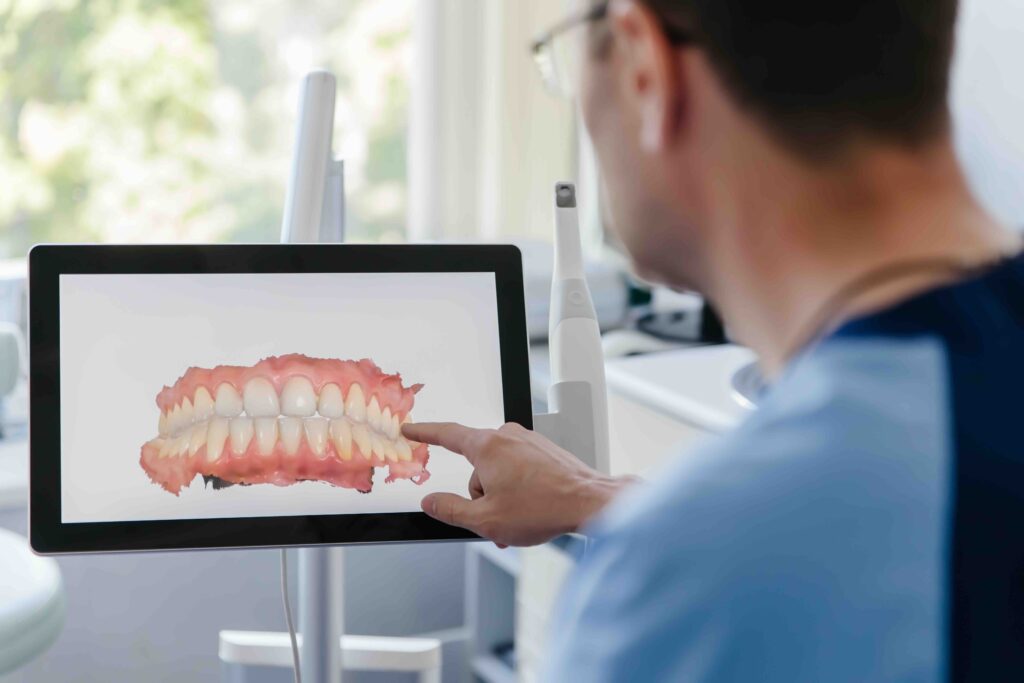
Dental implants can serve patients exceptionally well for decades, but they are not a set-it-and-forget-it solution. That is one of the first things I tell people after treatment, especially those who chose implants because they were tired of dealing with unstable dentures or repeating repairs on failing teeth. An implant is engineered to be durable, but the tissues around it are still very much alive. Bone changes. Gum tissue reacts to plaque. Bite forces shift over time. Habits matter more than most people realize.
The good news is that long-term success is usually not mysterious. In practice, implants tend to do best when patients understand one basic truth: the titanium post may not decay, but the gum and bone supporting it can absolutely become inflamed and break down if daily care slips. The people who keep their implants stable for many years are rarely doing anything complicated. They are simply consistent, attentive, and willing to address small problems before they become expensive ones.
What “success” really means with dental implants
When patients hear that implants have high success rates, they often picture a replacement tooth that feels secure and looks natural. That is part of it, but clinically, success means more than survival. An implant can still be present in the mouth and yet be under stress, collecting plaque, irritating the gums, or losing supporting bone slowly. A healthy implant should feel stable, function comfortably, and sit in tissue that appears calm rather than swollen or tender.
There is also an important difference between the implant itself and the restoration attached to it. The titanium fixture in the bone may last a very long time, while the crown, bridge, or denture connected to it may need maintenance, tightening, repair, or eventual replacement. This can surprise people. They assume that because they paid for a permanent solution, every part should remain unchanged forever. Realistically, the prosthetic components take the wear of chewing day after day. A ceramic crown can chip. A screw can loosen. Acrylic teeth on an implant denture can wear down. None of that means the implant has failed, but it does mean regular follow-up matters.
The daily habits that matter most
The best implant care routines are usually simple enough to repeat every day without much thought. Fancy products are less important than technique and consistency. If someone brushes aggressively with the wrong tool, skips cleaning around the gumline, and only flosses before appointments, the brand name on the toothpaste will not save the implant.
Dental Implants Oaks DentalAt home, most people do well with a soft toothbrush, low-abrasion toothpaste, and some method of cleaning between teeth or around the implant restoration. That may be floss, an interdental brush, a water flosser, or a combination. The right choice depends on the shape of the restoration and how much room exists under or beside it. A single implant crown behaves differently from an implant bridge, and both differ from an implant-retained full arch prosthesis.
One common mistake is treating the implant crown like an ordinary natural tooth when the contour beneath it is harder to reach. Food and plaque tend to collect where the crown emerges from the gum, especially on the tongue side of lower implants and the cheek side of upper molars. Patients often brush the visible surfaces well but miss the collar of tissue surrounding the implant. That is Dental Implants where inflammation starts.
Another issue is pressure. People who are used to “scrubbing” their teeth often use too much force around implants, thinking they are being thorough. Overbrushing does not improve cleanliness. It can irritate the soft tissue, especially if the brush head is hard or the angle is poor. A gentle but deliberate motion along the gumline is usually more effective.
Here is the routine I most often recommend as a starting point:
- Brush twice daily with a soft brush, spending extra time where the crown meets the gum.
- Clean between teeth and around the implant once a day with floss, interdental brushes, or a water flosser, based on your dentist’s guidance.
- Rinse only if advised, particularly if you have active inflammation or recent surgery.
- Check for bleeding, tenderness, food trapping, or odor, which often show up before pain does.
- Keep your professional maintenance visits, even if everything feels fine.
That routine looks almost too basic, but it covers the essentials. The challenge is not complexity. It is repetition, especially after the first year when the implant no longer feels new.
Why gum health decides the future of an implant
Patients often ask whether implants can get cavities. They cannot, but that question misses the larger risk. The true threat is peri-implant disease, an inflammatory process affecting the tissue around Dental Implants. In its early stage, often called peri-implant mucositis, the gums become irritated and may bleed during brushing or flossing. If that inflammation continues and bone begins to break down, it can progress to peri-implantitis, which is much more serious.
This is where many people get caught off guard. A natural tooth has a periodontal ligament and a biological attachment that differs from the seal around an implant. The implant can function beautifully, but the surrounding tissue can be less forgiving when plaque accumulates. Once bone loss begins around an implant, treatment can become more difficult than treating gingivitis around a natural tooth.
Bleeding is a particularly important sign. Some patients ignore it because there is no real pain. Others stop cleaning the area because it bleeds, which usually makes the problem worse. Bleeding around an implant is not something to brush off for months. It deserves attention early, when simpler intervention still has a good chance of controlling the issue.
Smoking raises the stakes significantly. So does poorly controlled diabetes. Dry mouth, a history of periodontal disease, and inconsistent maintenance also increase risk. In real practice, the implant that struggles most is often not the one placed imperfectly, but the one sitting in a mouth where plaque control, bite forces, and inflammation are not being managed consistently.
Tools can help, but only if they fit the design
There is no universal implant cleaning kit that works for everyone. The shape and position of the restoration determine which tools will be useful. A single implant in the front of the mouth may need little more than careful brushing and flossing. A bridge replacing several teeth may require floss threaders or super floss to reach underneath. A full-arch prosthesis often demands special brushes, water irrigation, and close professional maintenance because plaque can collect under the framework in places the patient cannot see.
Interdental brushes can be excellent around implants, but the size matters. Too small, and they do very little. Too large, and they can traumatize the tissue or simply fail to fit. The same applies to floss. Some people do better with woven or tufted floss around implant-supported bridges because it is easier to control under the prosthesis. Others find a water flosser so much easier to use consistently that it improves their hygiene despite not replacing mechanical cleaning entirely.
Toothpaste is another area where people overcomplicate things. Very abrasive whitening pastes are not ideal, especially on restorative materials that can lose polish over time. A standard fluoride toothpaste is usually fine unless the dentist recommends otherwise. Mouthwash can help in selected cases, but it is not a substitute for physically disturbing plaque. Patients who rely on rinsing while neglecting the gumline usually end up disappointed.
Professional cleanings are not optional maintenance
One of the most persistent misunderstandings about implants is the belief that once healing is complete, routine dental visits become less important. In truth, many implant problems are easier to detect clinically than they are for a patient to feel at home. Early inflammation, subtle pocket changes, wear on prosthetic parts, loosening screws, bite discrepancies, and small fractures can go unnoticed until the repair becomes larger.
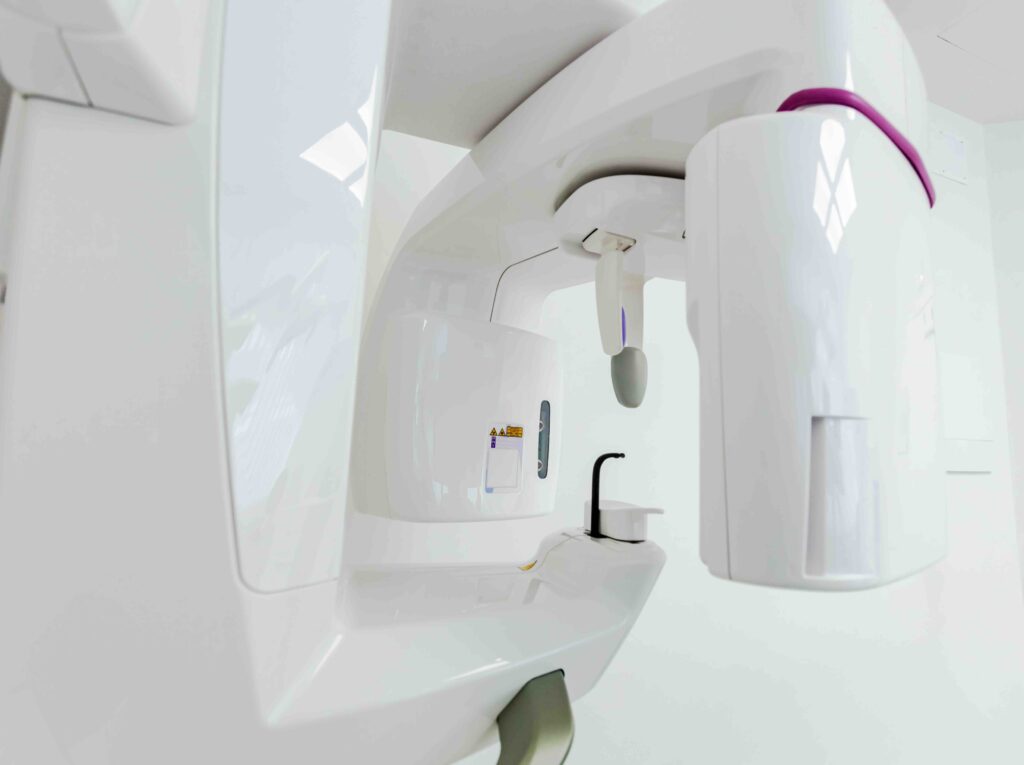
Professional maintenance for implants is not identical to a standard cleaning. The clinician needs to evaluate the implant restoration, the surrounding soft tissue, oral hygiene access, and how the bite contacts that area. Radiographs are often taken at intervals to monitor bone levels. Instruments and polishing materials should be chosen thoughtfully to avoid damaging implant surfaces or restorative components.
How often these visits are needed depends on the patient. A low-risk person with excellent home care might do well on a conventional recall schedule. Someone with a history of gum disease, limited dexterity, heavy plaque buildup, smoking, or a complex full-arch prosthesis may need more frequent maintenance. That is not over-treatment. It is prevention matched to risk.
I have seen patients lose otherwise well-placed implants not because the surgery failed, but because they disappeared for several years after treatment, assuming the hard part was over. By the time they returned, there was bone loss, plaque accumulation under the prosthesis, and a level of inflammation that would have been much easier to manage earlier.
Biting forces can damage implants even when hygiene is good
Clean implants can still develop problems if the mechanical load is unfavorable. This matters most for patients who clench, grind, or chew with unusually high force. Unlike natural teeth, implants do not have the same shock-absorbing ligament. That does not make them fragile, but it does mean force distribution matters. If an implant crown takes repeated heavy contact, it may contribute to screw loosening, porcelain chipping, component wear, or bone stress.
Night guards can make a major difference for people with bruxism. Some resist them because they seem inconvenient, especially after investing in implants. Yet the people who fracture ceramics or repeatedly loosen restorations often wish they had started sooner. The same applies to habits like chewing ice, opening packages with teeth, or routinely biting on hard objects such as pens. Those behaviors are rough on natural teeth and restorations alike.
Bite changes can develop gradually. A patient may not notice that one implant crown has become the first point of contact until symptoms appear. This is another reason recall visits matter. Adjustments made early are usually straightforward. Delayed adjustments can come after avoidable wear or breakage.
Food choices in the short term and the long term
Right after implant placement, dietary guidance is obvious. Softer foods, careful chewing, and keeping the surgical area clean are expected. Months later, once the final restoration is in place, most patients return to normal eating with confidence. That is one of the great advantages of Dental Implants. They restore stability and chewing function in a way removable options often cannot.
Still, “normal” should not mean careless. Extremely sticky foods can challenge some restorations. Very hard foods can stress crowns and prosthetic materials. Seed husks, fibrous meat strands, and popcorn kernels can become trapped around certain implant designs and irritate the gums if not cleaned out promptly. None of this means a restrictive diet is required. It simply means patients should be alert to what tends to trap, pry, or overload the restoration they have.
Hydration also matters more than many expect. A dry mouth encourages plaque retention and can make oral tissues more vulnerable. Medications are a common factor here, especially in older adults who are also the group most likely to have implants. If the mouth feels dry regularly, it is worth discussing rather than accepting as normal.
The habits that quietly shorten implant lifespan
Some implant problems build dramatically, but many emerge from ordinary behaviors repeated over years. Missed nighttime brushing. Smoking “just socially.” Wearing down the teeth from grinding. Ignoring a bit of bleeding because it does not hurt. Skipping maintenance visits when life gets busy. These are not dramatic failures of care, just small lapses that add up.
The patients who tend to do best long term usually share one trait: they pay attention. They notice when floss catches differently. They mention a new clicking sound. They ask about bleeding rather than waiting six months. They understand that implants reward early action.
Watch for these warning signs and report them promptly:
- Bleeding when brushing or cleaning around the implant
- Persistent bad taste or odor near the restoration
- Soreness, swelling, or a feeling of pressure in the gum
- Looseness, clicking, or any change in how the bite fits
- Repeated food trapping that is new or getting worse
None of these signs automatically means implant failure. A loose crown screw feels alarming but is often manageable if treated early. Mild tissue inflammation can often be addressed before bone is affected. Delay is what turns manageable issues into major ones.
Special care for full-arch and implant denture cases
Patients with one implant crown often assume their care instructions apply to everyone with implants. They do not. Full-arch implant bridges and implant-retained dentures need a different level of planning and maintenance. These restorations can transform comfort and function, especially for people who struggled with unstable dentures, but they also create hidden surfaces where plaque can accumulate out of sight.
Cleaning under a full-arch bridge is not intuitive. Patients may need a combination of angled brushes, proxy brushes, floss threaders, or water irrigation to reach beneath the framework. Even highly motivated people need coaching at first. The learning curve is real. A patient can brush the visible teeth beautifully and still leave biofilm along the tissue-facing side of the prosthesis.
Regular professional removal and cleaning of certain prostheses may be part of long-term care. Patients sometimes hear this after treatment and think something has gone wrong. It has not. Complex restorations require complex maintenance. That is simply part of preserving the investment.
Healing history affects long-term care
How an implant heals often influences how it should be maintained. Someone who had bone grafting, sinus augmentation, or soft tissue grafting may need closer observation in those areas. A narrow zone of attached gum, a past history of recession, or limited access in the back of the mouth can all make plaque control more challenging. There is no shame in that. It just means the home-care plan should reflect the actual anatomy rather than an idealized version of it.
Manual dexterity is another factor that rarely gets enough attention. Arthritis, hand weakness, visual limitations, and neurologic conditions can make “simple” hygiene much harder in daily life. In those cases, powered brushes, larger-handled devices, or water flossers may shift care from good intentions to realistic execution. The best routine is not the one that sounds most impressive. It is the one a patient can sustain every night, even when tired.
A practical way to think about implant care
If you strip away the product marketing and the anxiety that often surrounds expensive dental work, caring for implants comes down to three responsibilities. Keep plaque under control. Protect the tissues and the bite. Show up often enough for small corrections before they become major repairs.
That framework helps patients avoid two extremes. The first is complacency, where implants are treated as immune to disease because they are artificial. The second is overreaction, where every sensation causes worry and every new product seems essential. Most long-lasting implants sit between those extremes. They are cared for thoroughly, monitored regularly, and respected as high-value restorations that still depend on healthy biology.
Dental Implants can be one of the most reliable treatments in dentistry when patients understand their role after placement. The surgical phase may be the headline event, but the years that follow determine whether the result simply survives or truly lasts well. Consistent home care, timely professional maintenance, and attention to early warning signs make the difference. That is not glamorous advice, but in day-to-day practice, it is the advice that holds up.
Oaks Dental
5000 Parkway Calabasas Suite 308
Calabasas, CA 91302, United States
+1 818-431-2000
FAQ About Dental Implants
What is the downside of a dental implant?
Implants require surgery and a healing period that can last several months. Possible complications include infection, nerve or sinus injury, damage to nearby teeth and failure to bond with bone. Your dentist should assess your health, bone support and alternatives before recommending treatment.
What do dental implants typically cost?
There is no single price for every implant case. The number of teeth replaced, implant components, final restoration and any grafting or extractions affect the total. Request a written estimate covering every stage and confirm insurance benefits and out-of-pocket costs with the practice.
How long do tooth implants last?
An implant can provide long-term support and may last a lifetime with good oral hygiene and regular dental care, but this is not guaranteed. The crown or other restoration may need replacement sooner. Smoking, gum disease and some health conditions can reduce implant success.